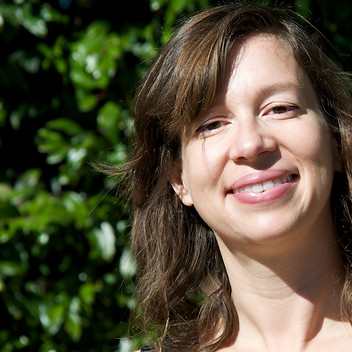
Catherine Geanuracos
Digital Strategist for Social Good at New Economy Campaigns
TED Attendee
Los Angeles, California, United StatesAbout Catherine
I am a…
Activist, Change agent, Connector, Environmentalist, Foodie, Idea generator, Marketer, Social entrepreneur
Bio
Catherine Geanuracos leverages technology and media to create global movements that respond to the most urgent social and political issues of our time. She is currently developing several new projects, including a consulting firm focused on community advocacy services for cleantech initiatives. Most recently she’s been helping the teams behind 10x10: Educate Girls, Change the World, the World Climate Summit, the IMAX film "Born to be Wild," the Saban Brands Power Rangers emPOWER Movement and the TEDxGreatPacificGarbagePatch with strategy, partnerships, technology, and social media. She oversaw multiple components of Live Earth during three years as its General Manager, including program development, sustainability, interactive strategy, public relations, sponsorship procurement and management, and nonprofit and promotional partnerships. From 2004-2006, Catherine served as a consultant for MoveOn.org Political Action, helping to shape innovative programs that used technology to fundamentally expanded opportunities for political engagement. She was the founding CTO of MomsRising.org and is a member of the advisory boards for Zimride/Carpool on Facebook, Social Media Week, the Los Angeles Alliance for a New Economy, and CicLAvia. She has consulted for Mozes and PopRule/ Campaign Live on mobile technology in politics and for CREDO/Working Assets on online organizing. Catherine developed leadership in social advocacy while completing her B.A. at Columbia College in New York City, and her Master’s Degree in social welfare from the University of California, Berkeley. She lives in Los Angeles.
I'm passionate about
Helping people connect to causes they care about, technology and social change, snowboarding, and well-crafted cocktails.
An idea worth spreading
Securitizing long-term distributed social benefits to finance short-term interventions. How do we use future savings in energy use or health care costs to finance needed programs now?