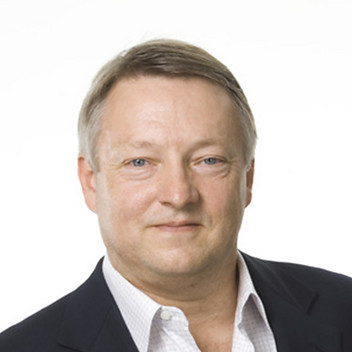
About Stephan
I am a…
Architect, Athlete, Business leader, Environmentalist, Inventor, Investor, Lawyer, Parent, Photographer
Bio
Stephan has spent 24 years in Silicon Valley working exclusively with technology driven companies. He joined VantagePoint Venture Partners in 1999. He served as head or co-head of the Firm's Software and Life Sciences Groups prior to crafting the Firm's CleanTech platform in 2002. Since 2002 he has been head of the Firm's CleanTech Group. Prior to VantagePoint, Stephan was a senior partner with Brobeck, Phleger & Harrison acting as Managing Partner of that Firm's Palo Alto Office, Head of the Business and Technology Group and Chairman of the Life Sciences Group. Stephan is co-chairman of CleanTech Venture Network's Advisory Board and a member of the NVCA CleanTech Advisory Council. He is a graduate of the School of Architecture at the University of Virginia (BCP) and the University of Virginia School of Law (JD). He is Co-Chair of the CleanTech Venture Network and Chair of the Advisory Board of the School of Architecture at The University of Virginia.
I'm passionate about
I'm passionate about my work (CleanTech and One Planet Living), my wife, my kids, my sports (tennis, skiing, cycling and golf), photography and architecture.
An idea worth spreading
I see a low-to-no-carbon future based on an infrastructure in which we:
•harvest energy from wind, water, the sun, the earth (geothermal) and waste,
• incorporate a smart grid to transport that energy, periodically store it, and intelligently manage its use; and
• provide us the personal energy to enjoy a lifestyle of modern living complete with various high tech and electricity driven conveniences, including our cars.
That future is analogous to what we have already accomplished in building the infrastructure for telecom, broadband wireless and the internet. Our railroads, highways, telephones, internet and wireless communications backbones were all capital intensive, but they all resulted in more commerce, more travel, more information and more communication – all while reducing the per unit cost of commerce, travel, information and communication. We, like those before us, have the power to build a future in which energy is more abundant, cheaper and carbon free.