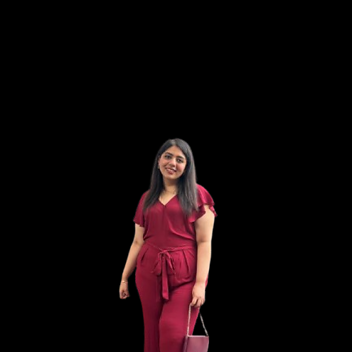
About Aleena
I am a…
Brainstormer, Concerned citizen, Connector, Educator/Teacher, Environmentalist, Event planner, Foodie, Lawyer, Life mentor, Muslim, Policy maker, Promoter, Student, Writer/Editor
Bio
I believe in the same sharp, analytical instinct that wins a legal argument can also help a 17-year-old figure out who they want to become. With four years of experience in legal advice and litigation, and a research interest spanning climate change law, humanitarian law, and Islamic and family law I have spent my career untangling complex, high-stakes systems where the details matter and the stakes are personal.
Today, as a Student Counsellor at ICE (International College of Excellence), I apply that same rigor to a different kind of case: helping students navigate one of the most defining decisions of their lives. Before ICE, I spearheaded international student support and recruitment at NUST, helping reshape the narrative around what studying in Pakistan could mean for students abroad.
My work sits at the intersection of law, education, and advocacy, and I am here to make the case that career guidance isn't a luxury. It's a right every student deserves.
I'm passionate about
I'm passionate about making sure no student has to navigate their future alone, and about pushing the legal system to do right by the people it's meant to protect, from constitutional law, to climate justice and family law.
An idea worth spreading
Every student is capable of building a case for their own future, but only if someone teaches them how to argue it. Too often, career guidance is treated as an afterthought: a single conversation, a generic aptitude test, a rushed decision made under pressure from parents, peers, or circumstance. I believe this is where the system fails young people the most, not because they lack potential, but because no one ever showed them how to make a case for what they actually want.
Drawing from my legal background, I approach career counselling the way a lawyer approaches a courtroom: with evidence, structure, and advocacy. Just as no strong legal case is built on guesswork, no life-changing decision should be either. I often argue that every student deserves a process, not a moment, to understand their strengths, weigh their options, and defend their choices with clarity and confidence.
Career guidance, in my view, isn't a luxury reserved for those who can access expensive consultants or elite schools. It's a right, one that should be available to every student, regardless of background, so that no one is left to navigate life's biggest decision alone, unprepared, or unheard.
Areas of expertise
" or a client who doesn't think the legal system is built to help people like them, a consistent thread runs through my work: expanding access. Whether it's a student who doesn't think university is "for them, analytical approach to problem-solving that I now apply well beyond the courtroom, and crisis settings, and emotional wellbeing over prolonged legal battles.
Climate Change Law
I have a strong research interest in how legal systems are (and are not) holding institutions and governments accountable for climate impact, and how climate law can evolve to better protect vulnerable communities.
Humanitarian Law
My research also extends to humanitarian law, and how the frameworks meant to protect people can be strengthened.
Islamic & Family Law
I bring a particular interest in Islamic and family law, and managing the entire admissions journey from first inquiry to enrolment, and ongoing mentorship well beyond the point of admission. My approach is rooted in the belief that counselling shouldn't be reserved for students with stellar profiles or the financial means to study abroad, and personal status matters within a legal system that doesn't always serve them equitably.
Higher Education Access & Guidance
Across all of the above, application support (CVs, building trust with prospective international students and their families, developing a sharp, displacement, especially as it intersects with the lived realities of women and families navigating disputes, examining how legal protections function (or fail) in conflict, figuring out who they want to become. This includes subject selection, I led international student recruitment efforts at NUST, I work to close that gap, I've worked across advisory and litigation matters, including in how I coach students and clients to think through complex decisions methodically rather than emotionally.
Public Interest Litigation & Pro Bono Advocacy
A significant part of my legal work has been pro bono, inheritance, interview preparation), it should be accessible to every student who needs clarity, money, motivation letters, not just told, often for students who arrived deeply skeptical and needed to be shown, one honest conversation at a time., one of Pakistan's top universities. This involved changing global perceptions about studying in Pakistan, prioritising people's time, regardless of their background.
International Student Recruitment & Support
Before moving into counselling, Student & Career Counselling
I specialise in guiding students through one of the most defining decisions of their lives, taking on public interest litigation and helping individuals resolve disputes outside of court wherever possible, university and program shortlisting, why the decision made sense.
Legal Advice & Litigation
With four years of experience in legal practice
The TED story
Growing up, I was an average student, and I was reminded of it constantly. Teachers and relatives alike told me I wouldn't achieve anything in life, that I should focus on my health, and that marriage was simply what girls like me were "born for." One teacher went as far as to tell me that if I ever succeeded professionally, he would change his name. Funny enough, he's now part of the leadership of a well-known school today, I often wonder how many other students he's told the same thing to, quietly chipping away at their belief in themselves before they've even had the chance to try.
I didn't lose hope. Even while navigating ADHD, I completed both my bachelor's and master's degrees. Along the way, I took on pro bono cases and public interest litigation, not just to win in court, but to help people resolve disputes outside of it, saving them not only time and money, but the emotional toll that litigation often demands.
But something else stayed with me. Back in school, I noticed that career counselling was never really for everyone, it was reserved for students with stellar profiles, or those whose parents could afford to send them abroad. Students like the one I used to be were simply overlooked. So when I returned home after a year abroad completing my master's, I made a decision: I wanted to work for my people, the younger, troubled generation that no one thought to guide.
Today, I'm proud to say I've helped many of them find clarity. And that's what gets me up every morning, no matter what life brings, because I know somewhere out there, someone is anxious, confused, and simply waiting for someone to give them a genuine answer.
Things you might not know
Not judging. It sounds simple, but it's something I've had to actively practice.
I spent years being judged before I ever understood what it felt like to judge someone else, told I wouldn't amount to anything, told my only real purpose was marriage, told by a teacher that my success was so unlikely he'd stake his own name on it. So somewhere along the way, I made a quiet decision: I didn't want to become someone who did that to another person.
Now, whether it's a student who's confused about their future, a client caught in a legal dispute, or just someone going through something I don't fully understand, I try to listen first, without deciding who they are before they've had the chance to show me. I've learned that almost everyone is carrying something you can't see, and the moment you judge them, you stop actually hearing them.
It's not something people usually notice about me right away. But if you ask anyone I've counselled, worked a case for, or simply sat down and talked to, they'll probably tell you the same thing: I never made them feel small for where they were starting from.